The topic of ultra-fast fashion has increasingly moved into the center of discussions on sustainability and the circular economy in recent months. The Euractiv portal highlighted the growing pressure that extremely cheap and rapidly produced fashion places on the European market, the environment, and textile waste management systems.
Online platforms like SHEIN and Temu are significantly changing consumer behavior. Large quantities of new collections, low prices, and fast delivery encourage the overconsumption of short-lived clothing. Moreover, many of these products are made from low-quality synthetic materials that are difficult to reuse or recycle.
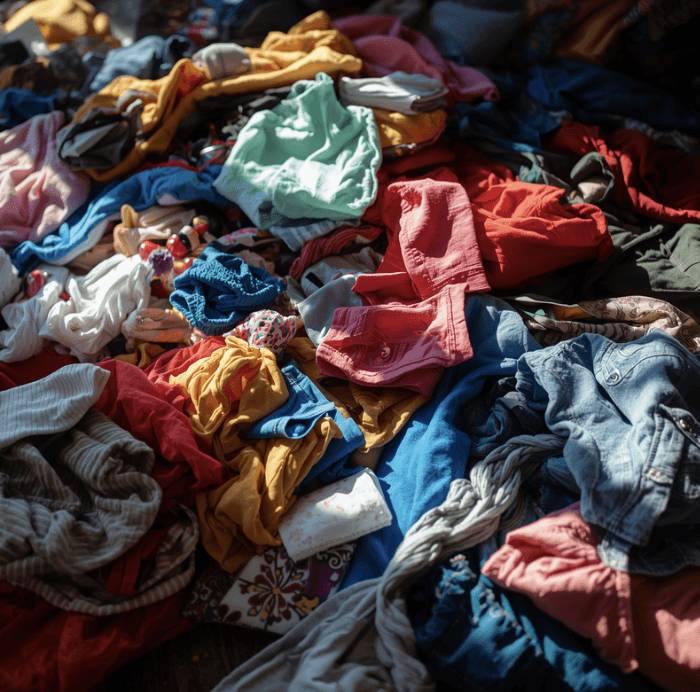
The impacts of this trend are already being felt by the European textile sector. Sorting facilities and collection companies point to the growing volume of textiles with no real value for reuse. At the same time, pressure is mounting on recycling systems, which are currently not yet equipped to process such large volumes of low-quality textiles.
The discussion also touches on market fairness. European manufacturers and retailers must comply with strict environmental, safety, and labor standards, while some products from third countries enter the European market under different conditions.
This is also why, at the European level, discussions are increasingly intensifying around:
strengthening ecodesign rules,
extended producer responsibility (EPR),
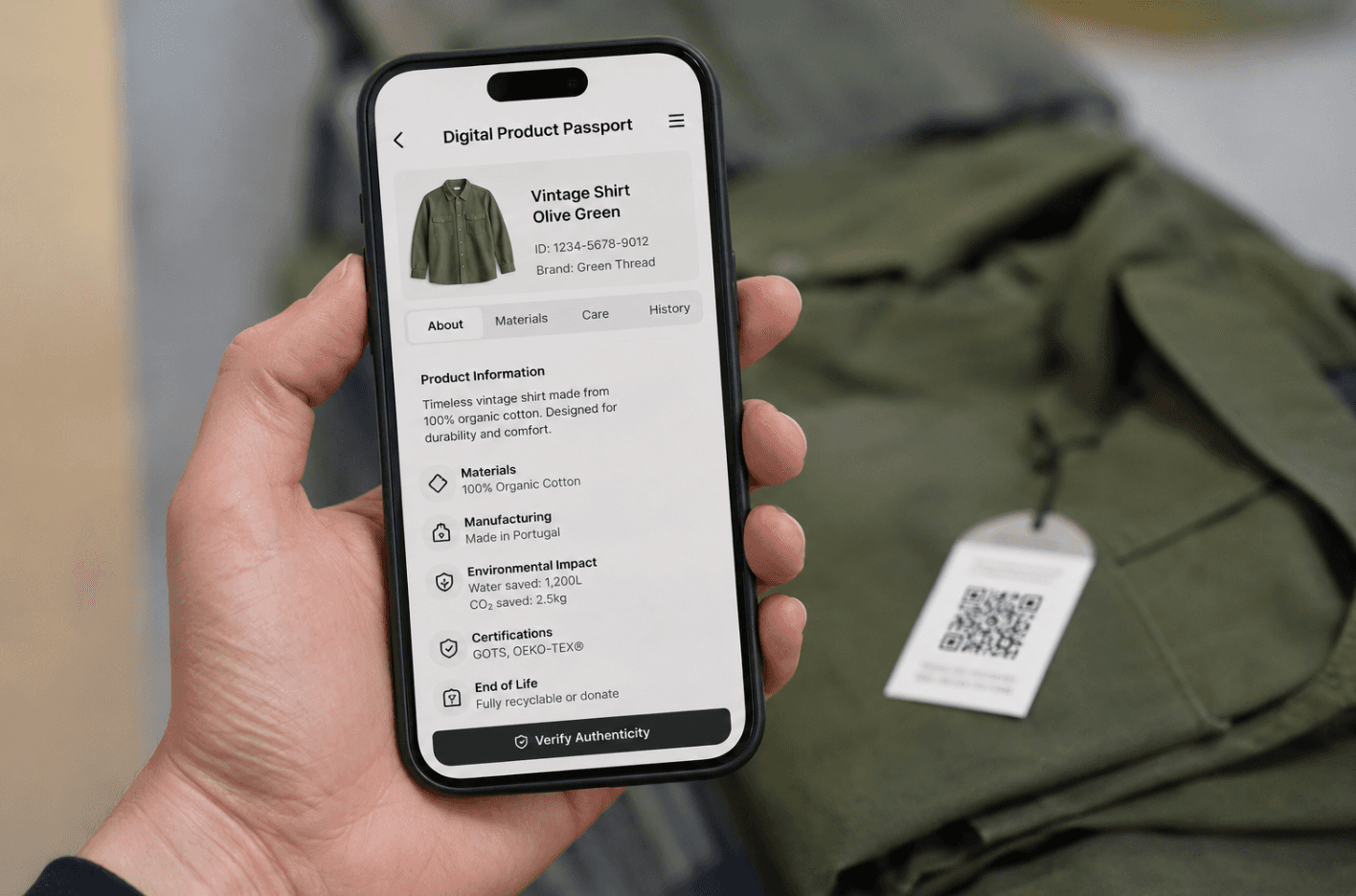
digital product passports,
supporting textile recycling,
and stricter oversight of online sales.
The future of the textile sector will depend on the ability to find a balance between product availability, environmental protection, and the support of truly circular solutions.